

Car Windshield Replacement Helps Drive the Next Chapter of Intelligent Vehicle Systems
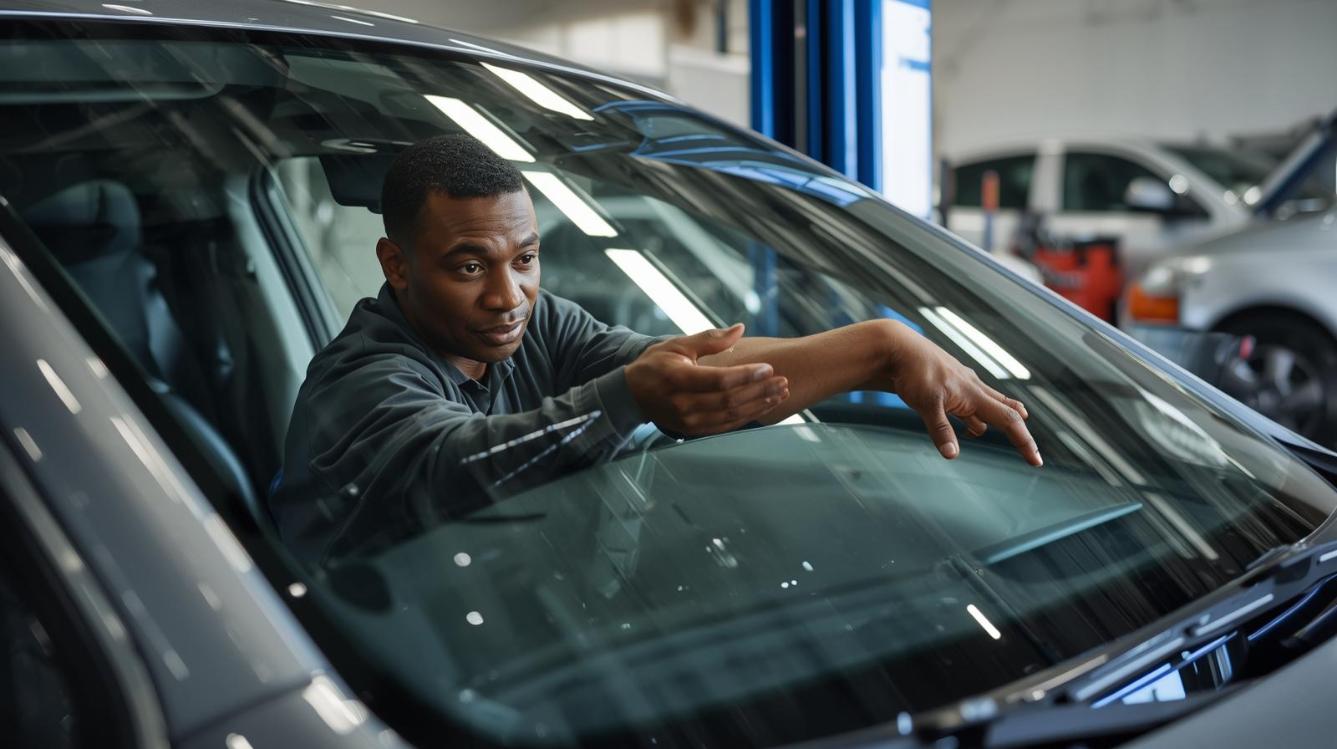
Cracked windshields used to feel like the kind of repair you could put off for another week. A lot of drivers did exactly that. But that has changed.
Car windshield replacement is now much more than a basic glass job. What used to be a simple panel is now tied to cameras, sensors, vehicle structure, and overall driving safety.
The Value of a Windshield
A windshield once had a straightforward role: help the driver see clearly and stay protected from wind and debris. In newer vehicles, it does much more.
Many windshields now work alongside driver-assistance features and may include rain sensors, heating elements, microphones, acoustic layers, and front-facing cameras.
In some models, even a slight installation error can affect how these systems function.
One technician put it in a memorable way: “You’re not just changing the windshield. You’re changing the car’s perspective.” It sounds dramatic at first, but there is truth in it.
In many modern vehicles, the windshield is part of how the car reads the road ahead, which makes replacement more precise than most drivers realize.
Big Impacts from Small Changes
As smart vehicle systems become more common, precision is no longer optional. Features like lane assist, collision warnings, automatic wiper sensors, and forward-facing cameras all depend on proper positioning and calibration.
A correct replacement helps preserve the way those systems are meant to work together.
That is one of the more encouraging changes in the auto industry. Safety technology is no longer limited to concept cars or luxury models.
It is showing up in everyday vehicles, and that means everyday maintenance has to keep up. Repair work that once seemed routine now carries much more responsibility.
There is also a practical shift happening in repair shops. It is no longer only about finishing the job as fast as possible.
More drivers are asking whether the replacement was done correctly, whether sensors were recalibrated, and whether the vehicle’s systems will still respond as intended.
That is a smarter question than many people were asking a few years ago.
Smart Systems and the Human Side of Things
There is a human side to all this that can get buried under technical language.
A parent on the school run, a commuter out before sunrise, and a delivery driver already halfway through the morning, all of them depend on systems working quietly in the background.
They may never talk about calibration standards, but they notice when a vehicle feels steady, quiet, and dependable.
That is why this shift matters. Advanced vehicle systems are no longer just flashy features added for marketing. For many drivers, they have become part of the trust they place in a car every day.
And the windshield is one of the clearest examples of that change.
A Clearer Road Ahead
Automotive progress will probably not come from one dramatic breakthrough alone.
More often, it will come through steady improvements such as better materials, sharper sensors, more careful installation practices, and services like car towing built around what modern vehicles actually need.
Windshield replacement may still sound like a small job, but it now sits much closer to the heart of how intelligent vehicles operate.